
Pipe Rehabilitation
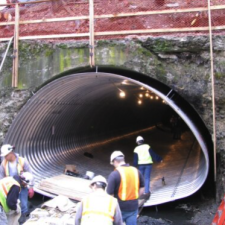
When drainage systems begin to show their age, full replacement isn’t always the most efficient answer. Lane offers engineered pipe rehabilitation solutions that restore hydraulic function, extend service life, and minimize disruption—without excavation.
Cost-Effective, Non-Disruptive Approach
Rehabilitating existing culverts and storm drains through slip lining or relining methods eliminates the need for costly excavation, surface restoration, and traffic disruption. Lane’s solutions keep roads open, reduce worksite hazards, and cut total installed costs—especially for pipes under roadways or other sensitive areas.
Proven Methods and Materials
Lane uses corrugated metal pipe (CMP), corrugated high-density polyethylene (HDPE), and other approved materials for relining, depending on site needs. Common rehabilitation techniques include:
- Slip Lining – Installing a smaller-diameter liner pipe inside an existing structure, grouted in place to fill voids and maintain structural stability.
- Segmental Lining – Where access is limited, shorter sections of pipe can be installed one by one to complete the lining.
- Fully Grouted Liners – Ensure structural integrity, reduce infiltration, and maintain shape within the host pipe.
These options meet DOT and AASHTO standards and allow for customized design based on site conditions.
Applications
Pipe rehabilitation is ideal for addressing:
- Corrugated metal pipe failures due to corrosion or joint separation
- Cracked or leaking concrete culverts
- Undersized or underperforming stormwater systems
- Sites with restricted access or high-traffic impact zones
Engineering and Technical Support
Lane provides expert consultation and design assistance to ensure each rehabilitation approach meets structural, hydraulic, and regulatory requirements. With decades of experience in drainage infrastructure, Lane is your coast-to-coast partner in assessing options, specifying materials, and optimizing installation strategies.
Product Resources
- Special Applications and Fabrications
Special Applications and Fabrications
Case Studies
- HDPE Pipe Brochure
- HDPE Pipe Brochure
- HDPE Pipe Brochure
- HDPE Pipe Brochure